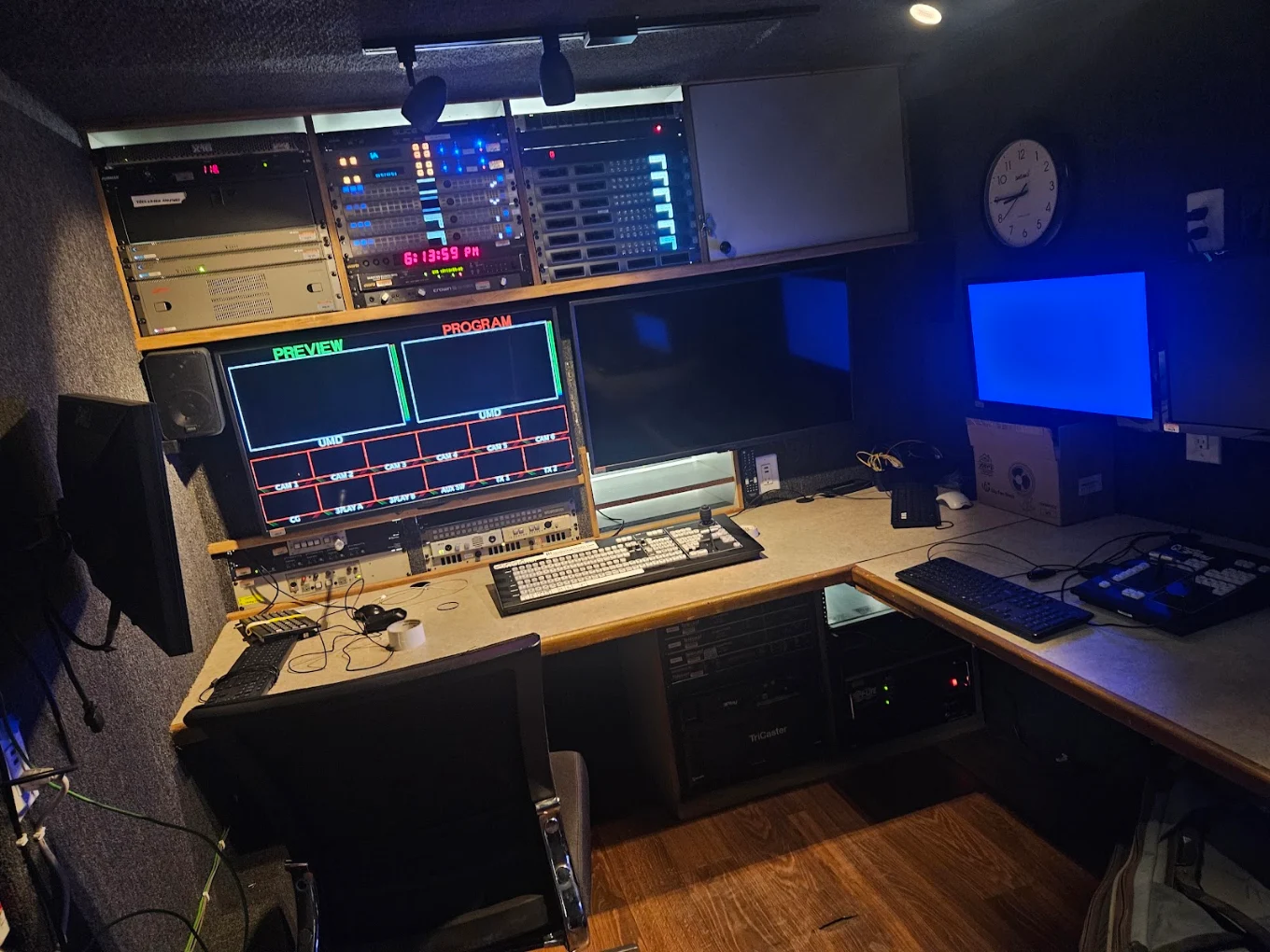
When a live event feed drops, runs out of sync, or never reaches the right destination, the problem is not just technical. It can disrupt a production schedule, create pressure for everyone on site, and leave partners waiting for a clean signal that should have already been moving. If you need video production support that also gets the feed where it needs to go, IT Video is ready to help.
We support productions that depend on dependable transmission, from local event spaces to international contribution and distribution paths. If your project needs multi-camera transport, mobile broadcasting support, bonded connectivity, or a temporary WiFi setup for an event venue, this page explains how we handle the work and what you can expect from the process.
Video production does not stop at the cameras. Once the content is captured, it still has to move cleanly from the venue to the next point in the workflow. That can mean contribution feeds for a broadcast partner, distribution feeds for viewers, or a private path between production and delivery teams.
IT Video focuses on the transport side of production, where timing, signal quality, and routing matter just as much as the footage itself. We help connect video content from around the globe, keeping the workflow organized so your team can stay focused on the show rather than the path the signal takes.
Transport planning becomes essential when your project includes more than one camera, a remote venue, or multiple handoff points. It also matters when a production needs to reach viewers, partners, or control locations that are not sitting on the same network.
We work with live event workflows, content distribution needs, and production feeds that require secure local area networks or international contribution paths. That flexibility helps keep the workflow aligned with the event itself.
Live events demand a setup that can keep pace with changing conditions on site. From concerts and corporate gatherings to content capture and distribution events, the production plan has to account for how video leaves the venue and how it arrives at the next destination.
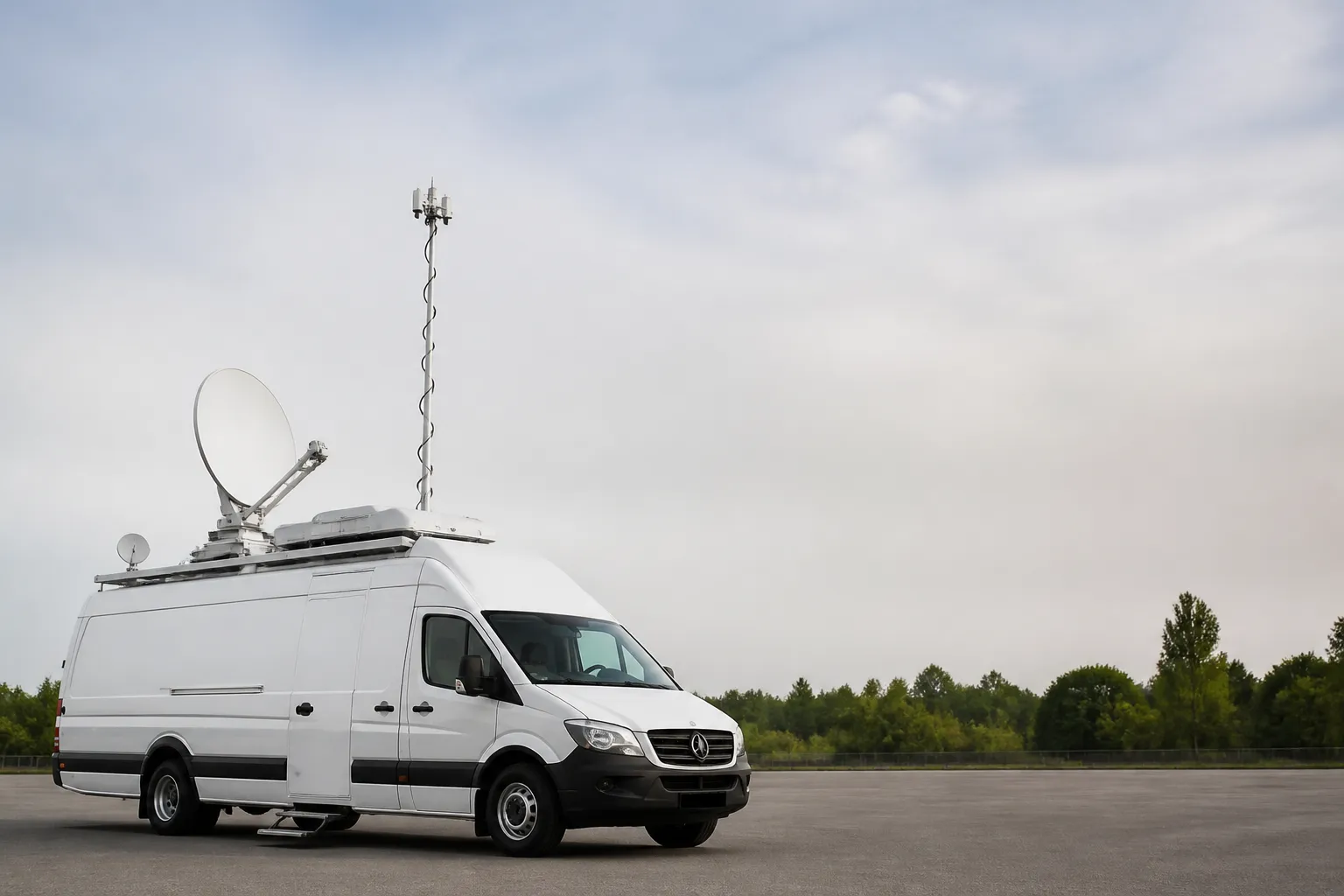
We help support those moving parts with transmission solutions built for live event workflows. That includes support for mobile broadcasting, flypack-style operations, and paths that can be adapted to the size and needs of the event.
Strong video production depends on the right connection path. A production may need a secure local network at the venue, a bonded cellular setup for flexible transport, or satellite capacity for broader reach. The right answer depends on the site, the feed, and where the content has to go next.
IT Video offers a range of connectivity approaches so the transmission plan can match the event rather than force the event to match the network.
Bonded cellular can be useful when a production needs mobility and a practical way to move a feed from a place without fixed connectivity. It can help support live coverage where flexibility matters and where hardwired options are limited.
Some projects call for satellite capacity to reach broader destinations or connect with distribution workflows that do not rely on a single local connection. That option can be part of a larger production plan when reach and route stability are priorities.
Not every event space is ready for a production crew the moment equipment arrives. Temporary WiFi network setup can help support event and concert connectivity needs so the site has a usable network for the work at hand.
This matters when your production depends on internet access for control, coordination, monitoring, or the transfer of supporting files. We can help set up a temporary network that supports the event environment without forcing the crew to improvise around weak or missing connectivity.
Helps teams communicate and manage the workflow across the site.
Supports tools and devices that depend on reliable network access during the event.
Makes it easier to move media and related files where they need to go.
Good video production starts before the first feed goes live. The smartest setups account for the number of cameras, the destination of the signal, the connection method, and the conditions at the venue. That planning reduces confusion when the event is underway.
At IT Video, we start by understanding the workflow that has to happen. Then we help shape the transport and distribution path so the project has a clear route from capture to delivery.
Once content is captured, distribution becomes the next challenge. Some productions need one direct handoff. Others need several endpoints, each with its own technical path and delivery expectations. A clean distribution plan keeps the workflow from becoming tangled at the end of the event.
We help move video content onward to viewers or partners by building a route that fits the project. That can mean handling a contribution feed, supporting a broadcast handoff, or maintaining the chain from the venue to the final destination.
For projects that move across locations, that handoff is often where delays begin if the transmission plan was not built with enough care. Our role is to help keep the transfer orderly so the content arrives ready for the next stage.
Every production has its own rhythm, but the service process usually follows a clear sequence. Understanding that sequence helps you prepare the event and avoid last-minute confusion.
We learn what the production needs, where the feed starts, and where it has to go.
We map the transport method, connection needs, and any venue network support required.
We help put the transmission plan into place and align it with the event schedule.
During the event, we remain focused on the path the video is taking and how it reaches the next point.
IT Video also stays active in the broader production community, including appearances at events such as NAB and VSF meetups. Those gatherings are useful for customers who want to meet the people behind the service and talk through transport needs, live workflows, or distribution challenges face to face.
If you are planning an event and want to discuss how the video should move from one location to another, those conversations can be a helpful starting point. The goal is to match the service to the project rather than force a one-size-fits-all approach.
Live events, multi-camera productions, broadcasts, and content distribution projects are all common fits. The service is especially useful when the footage has to travel beyond the venue.
Yes. Remote video consultations and production planning can help shape the transport path before the event starts, especially when the capture point and destination are not the same location.
Yes. Temporary WiFi network setup can support event and concert connectivity needs when a site requires a practical network for coordination or production tasks.
Multi-camera workflows are part of the service focus. We help move those feeds through a transport plan that matches the production setup and destination.
Yes. Corporate communications can use the same live production and delivery paths when the content needs to be captured and distributed to a wider audience or partner group.
Reach out by phone at +18187949387 or email bobby@itvtransport.com and share the basics of your project, including the event type, the number of feeds, and where the content needs to go.
When your production depends on clear transport, stable connectivity, and a clean path from capture to delivery, the right support makes the difference. IT Video helps organize the video flow so your event can move without unnecessary friction.
Whether you need mobile uplink, flypack support, bonded cellular, satellite capacity, or a temporary WiFi setup for the venue, we can help build the path your project needs. Reach out and tell us what you are producing, where it starts, and where it needs to end.
Get in Touch
Tell us what you need to connect, transport, or distribute. We can help you think through the workflow, the venue setup, and the transmission path that fits the project.