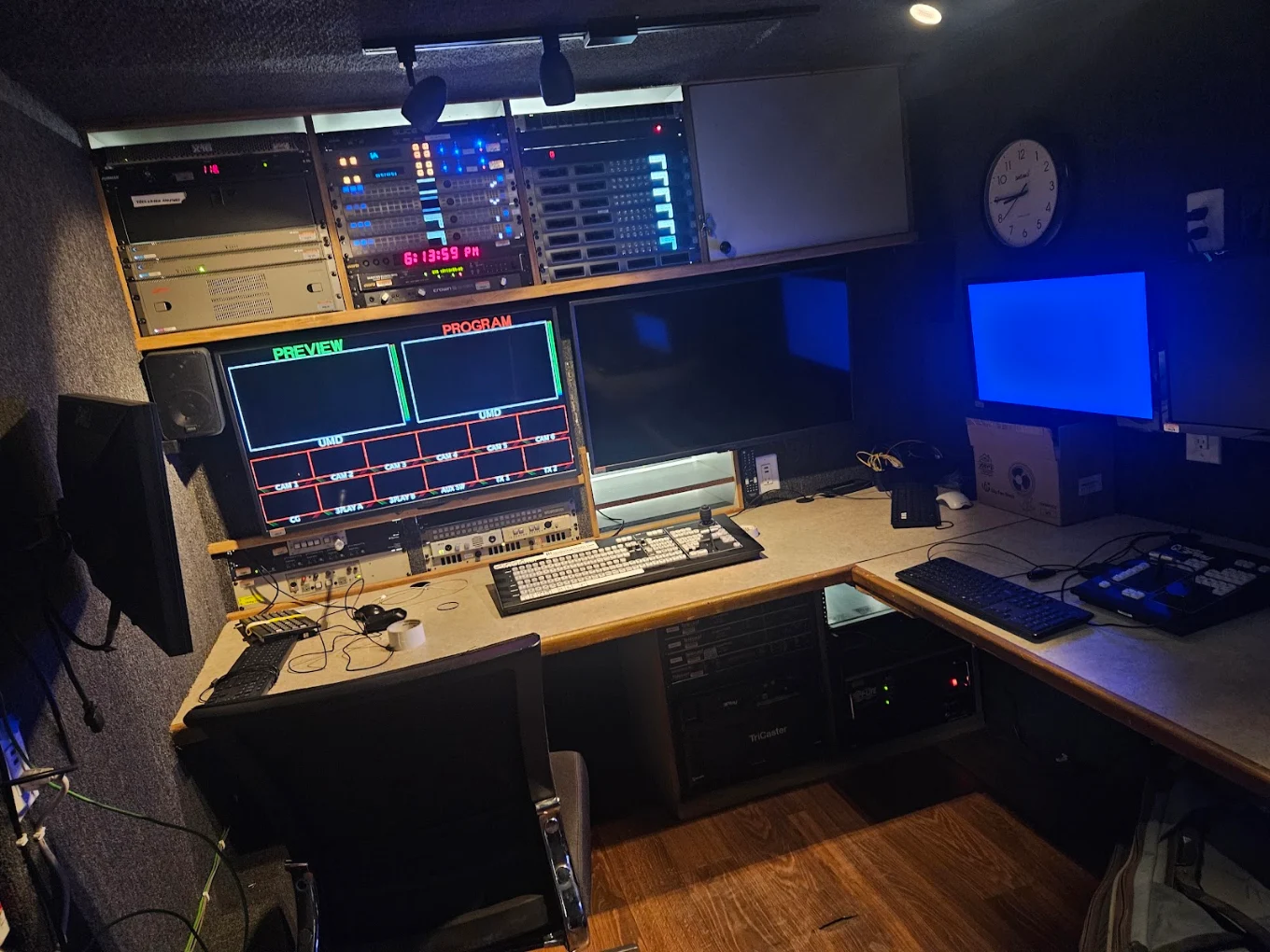
When a live event has to reach viewers without delay, weak connectivity, unstable encoders, or mismatched platforms can turn a smooth program into a stressful scramble. If your stream drops, buffers, or falls out of sync, the audience notices immediately, and the message gets lost.
That is where IT Video steps in. We help organizations and event producers move live content from the venue to the people who need it, whether the goal is internal viewing, partner distribution, or public broadcast. For live streaming across Los Angeles, we build a path that supports your workflow from capture to delivery.
Live streaming is more than hitting a go-live button. It depends on stable signal transport, clean handoff points, and a setup that matches the event format. We work with multi-camera feeds, production outputs, and contribution paths that need to stay dependable from the first test to the final slate.
For Los Angeles events, that can mean a concert, a corporate presentation, a panel, a product reveal, or a remote broadcast that must reach partners beyond the venue. We help keep the video path organized so the stream can move from location to destination with fewer weak spots.
Most streaming problems start before the audience ever sees the feed. The venue may have enough power for the show but not enough network consistency for distribution. A camera feed may be strong locally, yet fail once it needs to travel to a remote encoder, control point, or viewing platform.
Common symptoms are easy to spot once you know what to watch for. The stream may start clean, then drift into buffering. Audio may lead the picture. A platform may reject the feed format. WiFi may work for general use but not for live transmission loads. These problems often trace back to the path between production and delivery, not to the content itself.
If one or more of these sound familiar, the live stream may need a better transmission plan:
IT Video starts by understanding where the stream needs to begin and where it has to arrive. From there, we map the route and match the tools to the event. Some productions need a secure local network. Others need mobile uplink support, satellite capacity, or a bonded cellular path that can keep the stream moving when a single connection is not enough.
We also consider the venue layout, the number of cameras, the production style, and whether the feed is being sent to one destination or multiple viewers and partners. That planning helps reduce last-minute changes and keeps the live path clear.
Before the event starts, we look at the source signals, the destination requirements, and the physical space. That may include temporary WiFi network setup for guest areas or production zones, along with the connectivity needed for broadcast transport.
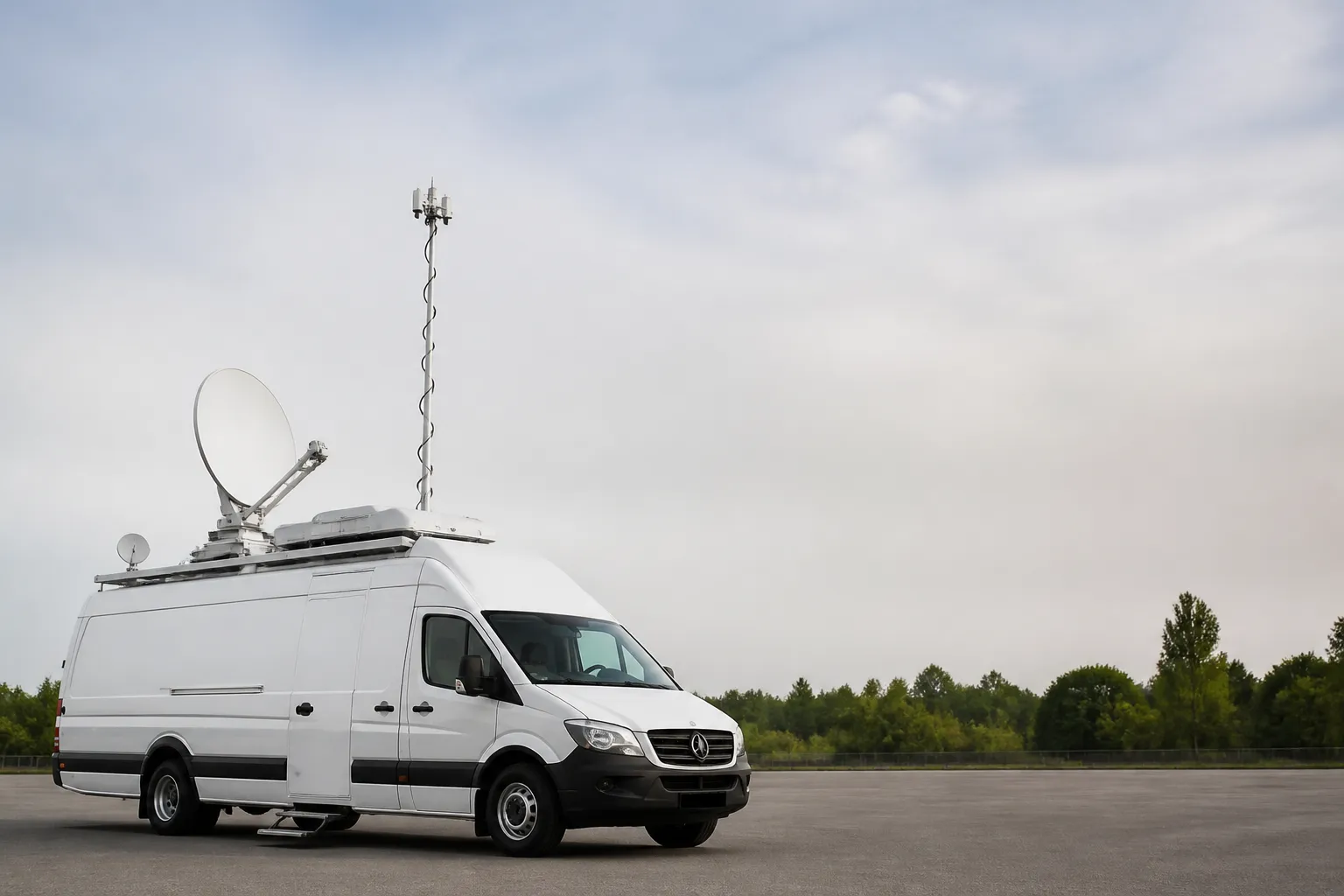
Once the plan is set, we move the live video through the chosen path. That can involve flypack-based production, mobile broadcasting solutions, or other transmission methods matched to the event format and location.
At the output stage, we make sure the stream reaches the intended contribution point or distribution endpoint with the right format and timing. That final handoff is where small details matter most.
Live streaming needs vary widely across Los Angeles. A concert stage has different demands from a corporate town hall, and a panel discussion has different pacing from a remote keynote. We adjust the transmission path to fit the event rather than forcing the event to fit a fixed setup.
Our service can support a range of live formats, including:
When the content needs to move beyond one room, the stream must be planned with distribution in mind. That includes how the feed is captured, transmitted, and received.
No single method works for every event. Some spaces have reliable infrastructure already available. Others need temporary support to create a better route for live video. We help choose the transmission setup that fits the location, the audience, and the type of content being delivered.
Bonded cellular can help combine multiple mobile connections for added stability during live transmission. It is often useful when the venue setup is limited or when a production needs more flexibility than a single connection can provide.
Satellite capacity can support live contribution and distribution where other paths are not practical. It gives productions another way to move video when the event plan calls for a more specialized route.
For productions that need compact, organized gear and a streamlined workflow, flypack-based solutions can support dependable live transport. These options are useful when the setup has to be efficient without sacrificing signal control.
When a live stream is handled well, the audience gets a clear experience and the production staff gets fewer surprises. The value is not only the ability to go live. It is the ability to do it with a setup that makes the event easier to manage from start to finish.
With IT Video, clients often need support with:
That kind of structure helps keep the live program focused on the content rather than the troubleshooting.
Los Angeles events often bring together varied spaces, fast schedules, and multiple content destinations. A single production may need to serve attendees, remote viewers, and distribution partners at once. Live streaming support has to keep up with that pace.
We work with organizations that need live video moved reliably across the area, whether the project is happening at a venue, a studio, or a temporary event space. If the stream needs to travel from Los Angeles to a broader audience, we help make that path more manageable.
IT Video also stays visible at industry meetups and events, including NAB and VSF appearances, where customers can connect with the team and discuss current workflow needs.
Live streaming works well for concerts, conferences, panels, corporate communications, launches, and other programs where real-time delivery matters. The key is matching the transmission setup to the event’s pace and format.
Yes. Multi-camera production feeds can be transported as part of a live streaming workflow, whether the goal is a clean program output or a more complex production path.
Yes. Temporary WiFi network setup can help support event and concert connectivity needs when the venue needs an added layer of access for production or operations.
The feed usually moves from capture to contribution, then onward through a distribution path to viewers or partners. The route may use local networking, mobile uplink, bonded cellular, satellite, or another selected method.
Yes. A stream can be planned for internal teams, public viewers, or distribution partners, depending on the destination requirements and delivery format.
Send the event details, the location, the timing, and the destination goals to IT Video. From there, we can review the setup needs and map a transmission plan that fits the production.
If your next event needs live streaming across Los Angeles, the right setup can make the difference between a clean delivery and a frustrating broadcast. We help move video content from the venue to the audience with a workflow built around the event, not around guesswork.
Call +18187949387 or email bobby@itvtransport.com to discuss your live stream needs with IT Video.
Get in Touch
Tell us what you need to connect, transport, or distribute. We can help you think through the workflow, the venue setup, and the transmission path that fits the project.