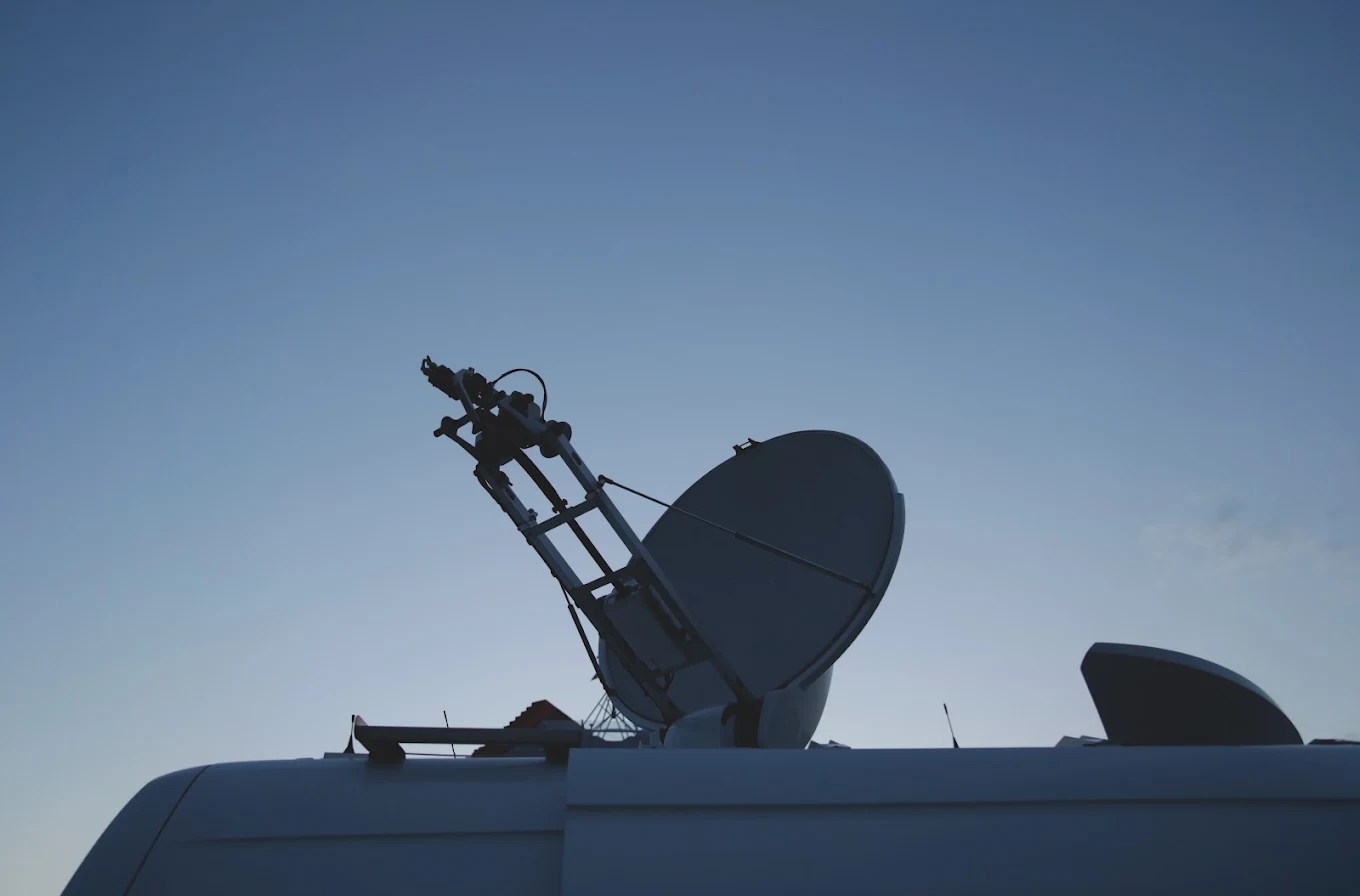
When a live event needs to reach a control room, a distribution partner, or viewers across multiple destinations, small transmission problems can stall the whole plan. Dropped signal, unstable connectivity, and delayed handoff points can turn a carefully prepared production into a scramble.
IT Video helps move that pressure off your crew with Mobile Broadcasting Solutions built for live event workflows, field contribution, and content distribution. If your production needs dependable transport from a venue, outdoor site, or temporary event setup, we help you connect the feed and keep the path from camera to audience clear.
Mobile broadcasting is about more than getting a signal from one place to another. It has to support production timing, source quality, and the handoff between capture, transport, and delivery. That may mean sending a multi-camera program feed from a venue, moving remote content back to a central studio, or linking live output to a contribution point for wider distribution.
IT Video structures these workflows so the feed can travel through the right path for the event, the venue, and the destination. We can support temporary setups, roaming production needs, and live event transport where flexibility matters as much as consistency.
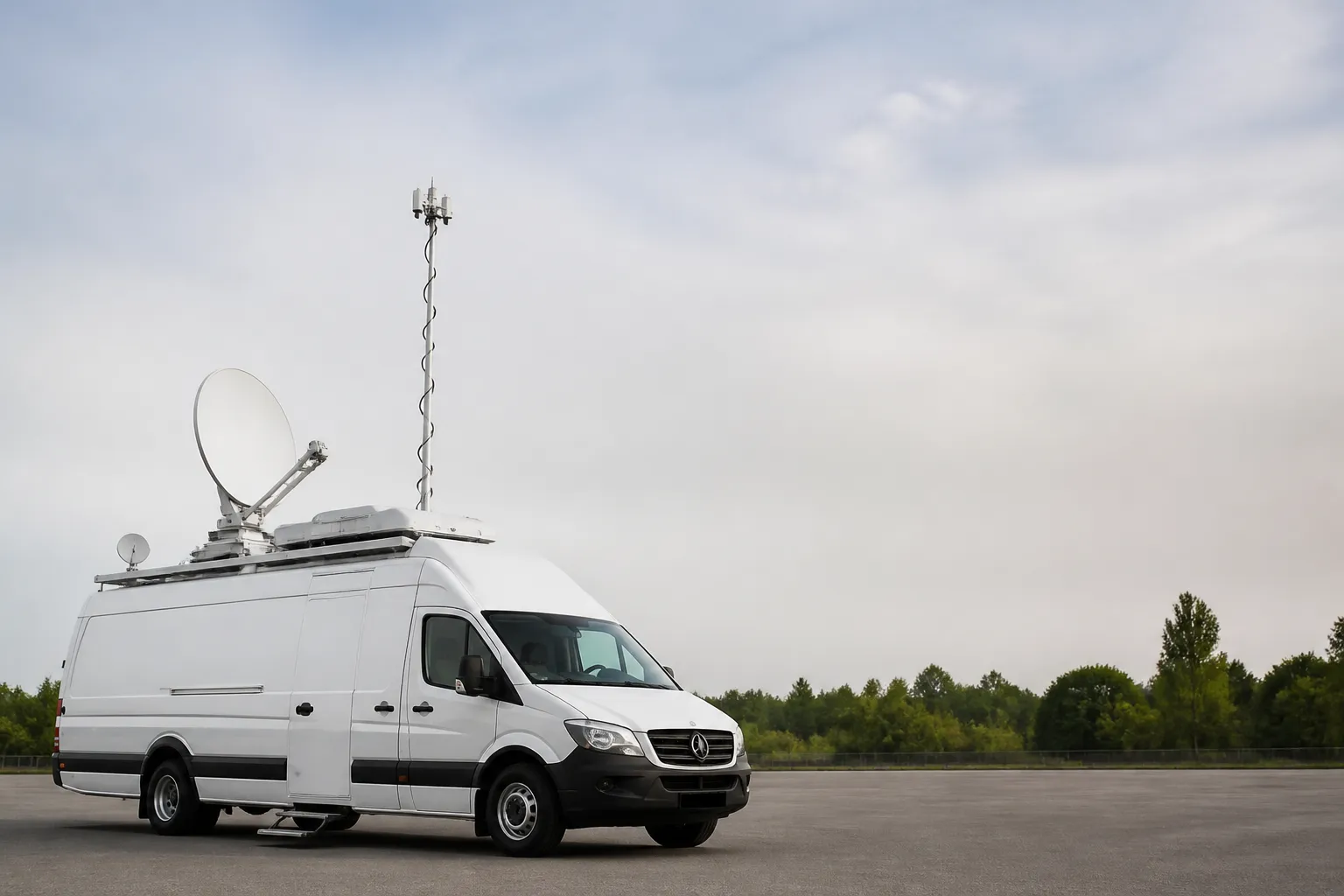
Every site has a different layout, which is why a mobile broadcast plan has to fit the actual production environment. Some events need a compact flypack-style setup. Others need bonded cellular, satellite capacity, or a mix of transport options to keep the feed moving from place to place.
We help align the transport method with the goal of the shoot, so you are not forcing a single approach onto every venue. The result is a cleaner handoff from acquisition to contribution and onward to distribution.
Useful when a production needs to send video from a location without relying on a fixed studio path.
A practical option for portable event workflows that need organized transport gear and repeatable setup.
Helpful for field production when connectivity needs to be flexible across changing environments.
Used when the delivery plan calls for a broadcast transport route that reaches beyond local infrastructure.
Good mobile broadcasting starts before the cameras roll. Production teams need to know where the feed originates, where it lands, and what backup path is available if the site layout changes. That planning matters whether the job is a one-time event or part of a recurring production schedule.
At IT Video, we work through the live path with your crew so the transmission side supports the rest of the show. That includes the source format, transport route, connectivity needs, and the destination point that will receive the content.
Some productions need more than video transport alone. Event spaces, concert setups, and temporary production zones often need dependable network access for monitoring, coordination, and support systems. That is where temporary WiFi network setup can make the overall workflow easier to manage.
When mobile broadcasting depends on communication between operators, playback, monitoring, and transmission endpoints, the network has to support those tasks without adding confusion. We help create a practical environment for the production instead of asking the crew to improvise around limited connectivity.
Many people think of mobile broadcasting as a single feed going out to one place, but live production often has more than one destination. A feed may need to move from the camera position to a contribution point, then continue onward to a distribution platform, partner, or internal destination.
That chain has to stay organized. If one part of the route is unclear, the whole broadcast can feel fragile. We help map the full path so the signal gets where it needs to go without unnecessary detours.
For some projects, the priority is getting a production feed into a master control or production hub. For others, the goal is to send the finished live output to audiences across multiple channels. Mobile Broadcasting Solutions should support both with a clean workflow and a transport plan that fits the job.
Most mobile broadcast projects follow a straightforward sequence. The details change from one event to the next, but the goal stays the same: make the transmission side reliable enough that the production can focus on content.
We look at the venue or field location, the production goals, and the destination for the feed.
Based on the event, we align the setup with the most suitable transmission approach.
If the job calls for temporary WiFi or other on-site network support, we build that into the plan.
We help maintain the transmission path while the event is active, so the feed can move as planned.
Once the content reaches the destination, the workflow can continue through contribution or distribution.
Mobile broadcasting is especially useful when production happens outside a fixed studio. The settings may change, but the need for a dependable path remains the same. IT Video supports live event workflows that require flexibility without sacrificing the structure of the broadcast chain.
We also support meetups and industry events where production and networking matter. If your schedule includes appearances at NAB or VSF events, those conversations can be a chance to discuss how a live transport workflow should be built for your next project.
A mobile setup has to work across changing locations, temporary infrastructure, and live production conditions. That means the transport path, networking, and handoff points need to be planned for the site rather than assumed.
Yes. Mobile broadcasting can be structured to handle multi-camera or production feeds that need to move from the event location to a contribution point or distribution destination.
It can be. Temporary WiFi network setup helps support communication, coordination, and connected production tools in event spaces where existing network access is limited or not organized for the broadcast workflow.
Bonded cellular is one of the transport options that can support mobile video workflows when a flexible connection is needed across changing conditions.
Satellite capacity may be part of the workflow when the project needs a broadcast transport route that extends beyond a local site connection or supports a broader distribution path.
Yes. We help structure video transport so content can move from capture to contribution and continue onward to the intended viewers, partners, or downstream production points.
If your next live event, field production, or temporary broadcast setup needs a clear path from source to destination, IT Video can help shape the workflow. Mobile broadcasting should feel organized, not improvised, and the right transport plan makes that difference.
To discuss a project or compare options for your event, contact us at bobby@itvtransport.com or call +18187949387. We are available Monday through Friday, 9:00 AM to 5:00 PM.
Get in Touch
Tell us what you need to connect, transport, or distribute. We can help you think through the workflow, the venue setup, and the transmission path that fits the project.