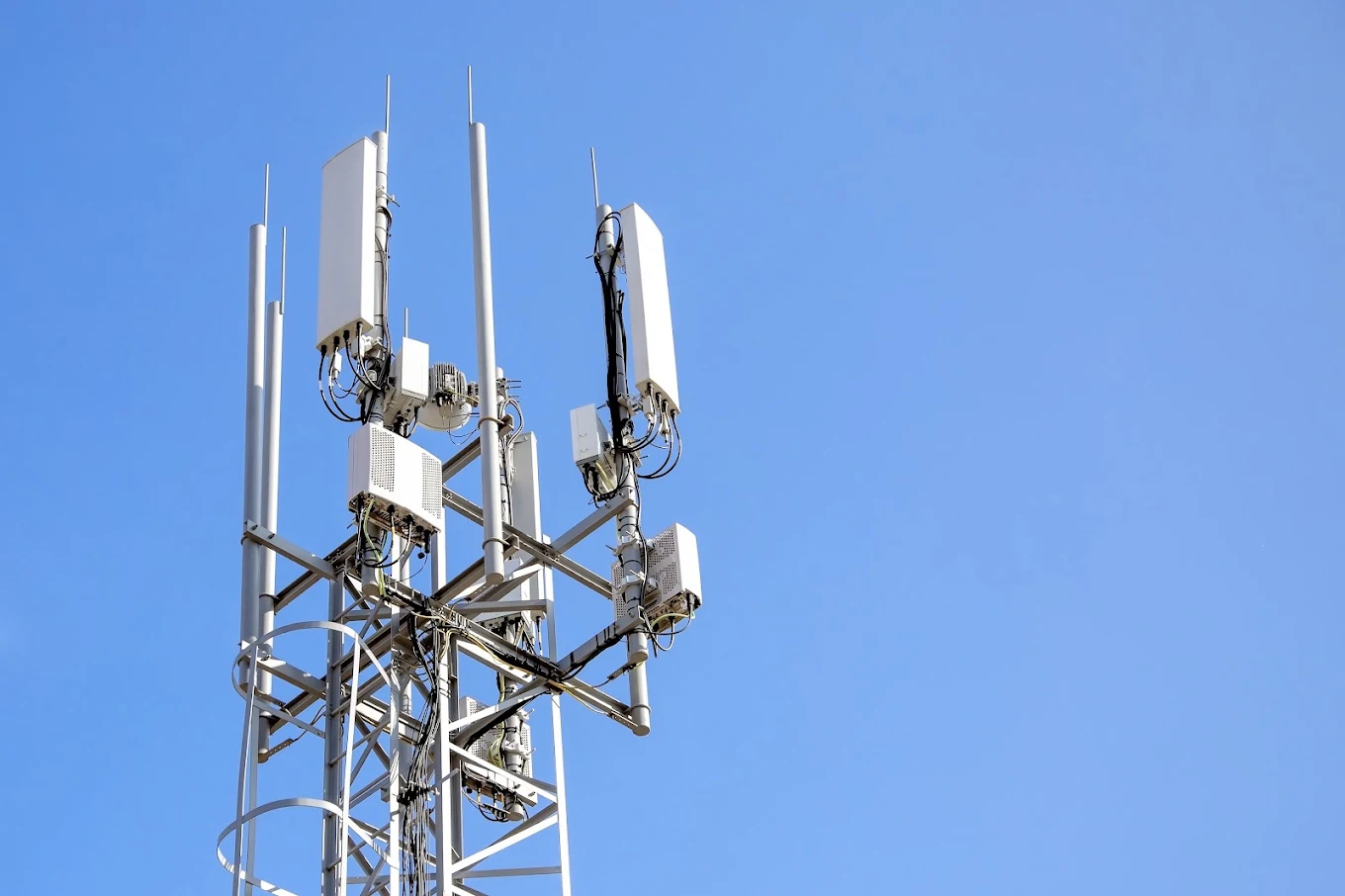
When a live feed starts breaking up, the problem usually shows up fast: dropped frames, audio gaps, frozen shots, or a signal that will not hold while the event is still happening. If your production depends on getting video from one place to another without losing momentum, bonded cellular gives you a more resilient path when a single connection is not enough.
IT Video helps you move live content with bonded cellular setups built for contribution and distribution workflows. We support productions that need stable transmission for events, multi-camera coverage, corporate communications, and remote feed delivery, so your video can get from the source to the destination with less disruption.
Bonded cellular combines multiple mobile data connections into one transmission path. Instead of relying on a single carrier link, the system spreads traffic across several connections and stitches them together for a stronger and more adaptable signal path. That approach is useful when your location changes, your network access is limited, or your feed needs more resilience than a standard hotspot can provide.
This service is often used for live event workflows where a production crew needs to send video from a venue, field location, or temporary setup. It can support contribution feeds headed to a control room, a remote destination, or a distribution point where the content is handed off for viewing or further processing.
Bonded cellular can support:
Bonded cellular is a practical choice when a production site needs flexibility and the available network options are limited. It is especially useful when you are setting up at a venue, handling a pop-up production, or working from a location where fixed connectivity is not available or not suited to the workflow.
IT Video can also pair bonded cellular with temporary WiFi network setup for event spaces when the production needs both a data path for transmission and access for crew or onsite devices.
A bonded cellular workflow starts with understanding the event, the feed type, and the destination. From there, we help shape a setup that matches the transmission need rather than forcing a one-size-fits-all connection path. The goal is to keep the signal path simple for your crew while giving the content a stronger route out of the venue.
Before the event starts, it helps to know what will be transmitted, where it is going, and how much movement or signal variation the setup may face. That lets us align the bonded cellular configuration with the production schedule and technical requirements.
Once the system is placed, the mobile connections are brought together and prepared for the live workflow. This is where the setup supports the outgoing feed so the production can keep moving without needing a fixed line at the location.
From there, the feed is sent to the intended contribution point or distribution destination. For some events, the path stays local. For others, the signal may travel farther across a managed chain that supports broader delivery.
Bonded cellular is not just about getting a signal out. It is about helping the production keep pace with the event. That means supporting the needs of crews, broadcasters, event organizers, and content teams who need live video to travel from the source without unnecessary complications.
It can be a strong fit for:
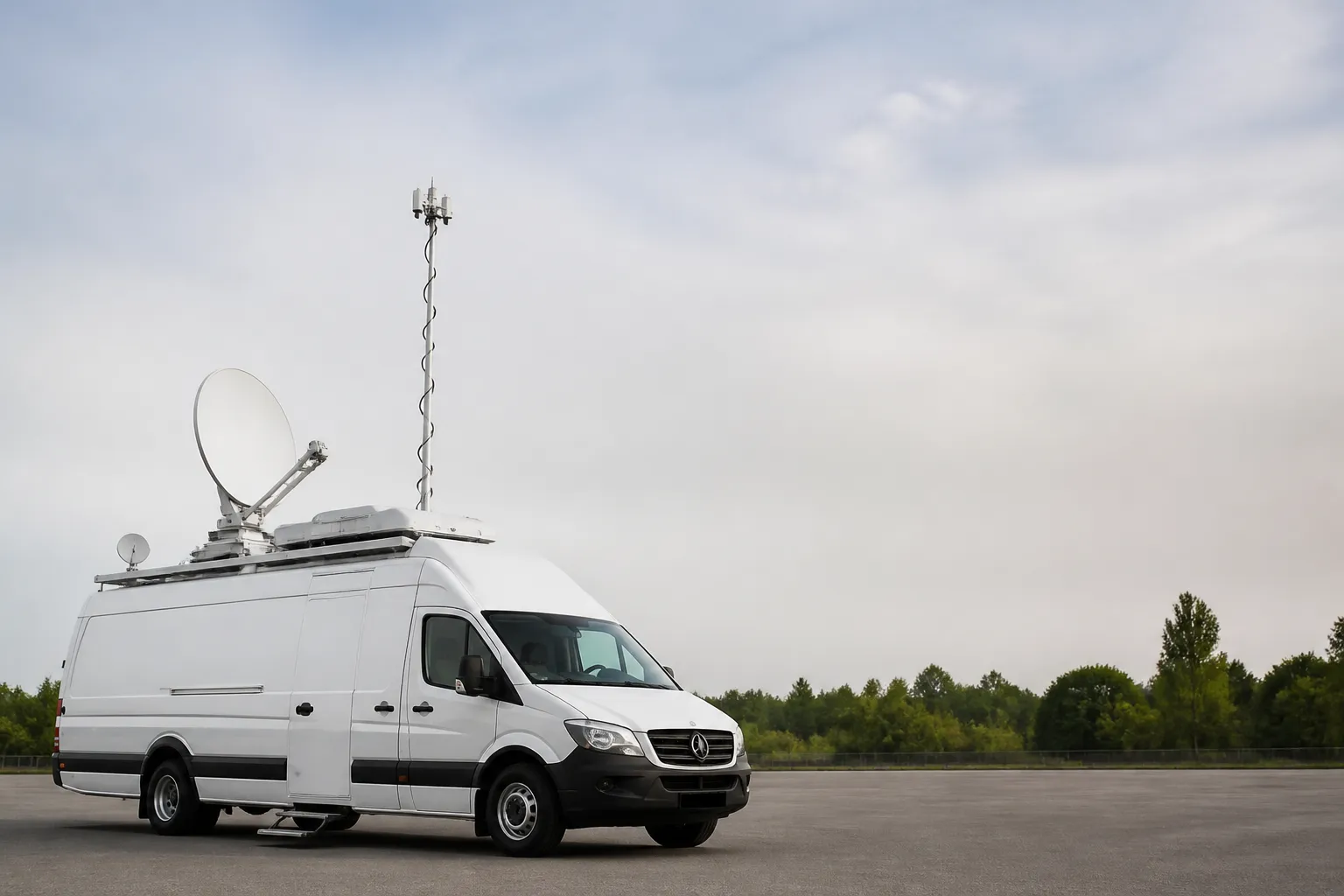
For projects that require extra flexibility, bonded cellular can be combined with other transmission solutions such as flypack systems or satellite capacity depending on the job requirements.
Production crews often choose bonded cellular because it gives them a way to move live content without depending on a single network path. That matters when timing is tight and the event cannot wait for a second attempt. It also helps crews stay mobile, which is useful for jobs that are built around fast setup and teardown.
The value is practical. The setup can support changing venues, variable bandwidth conditions, and live event environments where flexibility matters as much as the signal itself. For many productions, that makes bonded cellular a smart part of the larger transmission plan.
IT Video works with customers who need dependable video transport for live events and content distribution. We focus on matching the transmission method to the workflow, whether the need is a secure local area network, a temporary event setup, or a bonded cellular path that keeps the feed moving.
Because the service is tied to live production, we keep the process practical and centered on the job at hand. That means understanding what is being sent, where it needs to go, and what the production environment allows. From there, we help shape a setup that supports the path from capture to contribution and onward to viewers or partners.
Bonded cellular works well when the production has a clear start time, a defined destination, and a need for portable transmission. It is often part of a broader event plan rather than a standalone add-on, especially when the show involves multiple sources, remote participants, or changing conditions at the venue.
When the workflow includes nearby crew devices or event connectivity for onsite use, a temporary WiFi network can help keep everything organized alongside the transmission path.
It is used to send live video over multiple mobile data connections so the feed has a more resilient transmission path for contribution and distribution.
Yes, bonded cellular can be part of a workflow that carries multi-camera or production feeds from the event site to a destination point.
No, it can also help at indoor venues or temporary spaces where fixed connectivity is limited or not the right fit for the production.
Bonded cellular can provide the outgoing connection that helps a live stream or live feed reach its next destination reliably.
Yes, it can be part of a larger setup that includes flypack systems, satellite capacity, mobile broadcasting solutions, or other transmission tools.
It helps to know the event location, feed type, destination, and whether crew access or temporary network support will also be needed.
If you need bonded cellular support for an upcoming event or production, IT Video can help plan a path that fits the workflow. We help move video content across locations and keep the transmission plan tied to the actual needs of the show.
For questions, scheduling, or planning a bonded cellular setup, reach out at bobby@itvtransport.com or call +18187949387. Our hours are Monday through Friday, 9:00 AM to 5:00 PM.
Get in Touch
Tell us what you need to connect, transport, or distribute. We can help you think through the workflow, the venue setup, and the transmission path that fits the project.